
Our Story
Built to preserve what families know
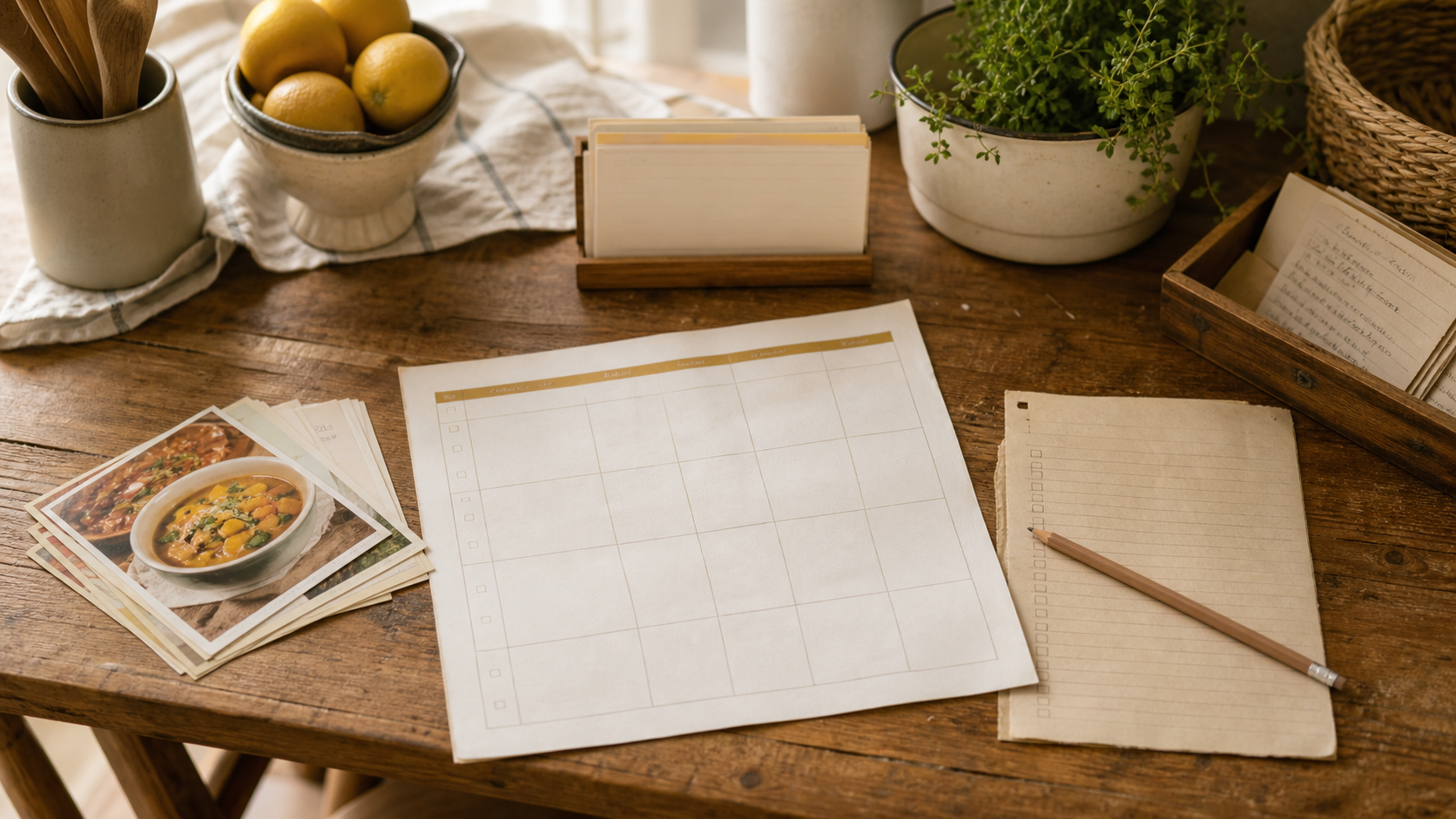
Kitchen Legacies began with a practical question: how could weekly meal planning become easier, more useful, and more closely aligned with the way a family actually eats?
A co-worker suggested using ChatGPT and shared the outline he had been using. That simple recommendation led to an ongoing effort to improve the planning process: refining the conversation, adjusting the information it received, and finding better ways to make its suggestions fit the realities of family life.
Over the following six months, the conversation began to learn recurring meals, preferences, dislikes, substitutions, routines, and the small decisions that made one family's kitchen distinct.
The first concept
The conversation started to learn
It was no longer responding only to an isolated request. It was developing an understanding of what would later be described as the family's culinary fingerprint.
That realization led to the first product concept: MyChef, a mobile application intended to understand a household's preferences and use that knowledge to support meal planning, cooking, and everyday kitchen decisions.
Then came the tortellini moment.
The tortellini moment
Every company has a moment when it discovers what it is really building
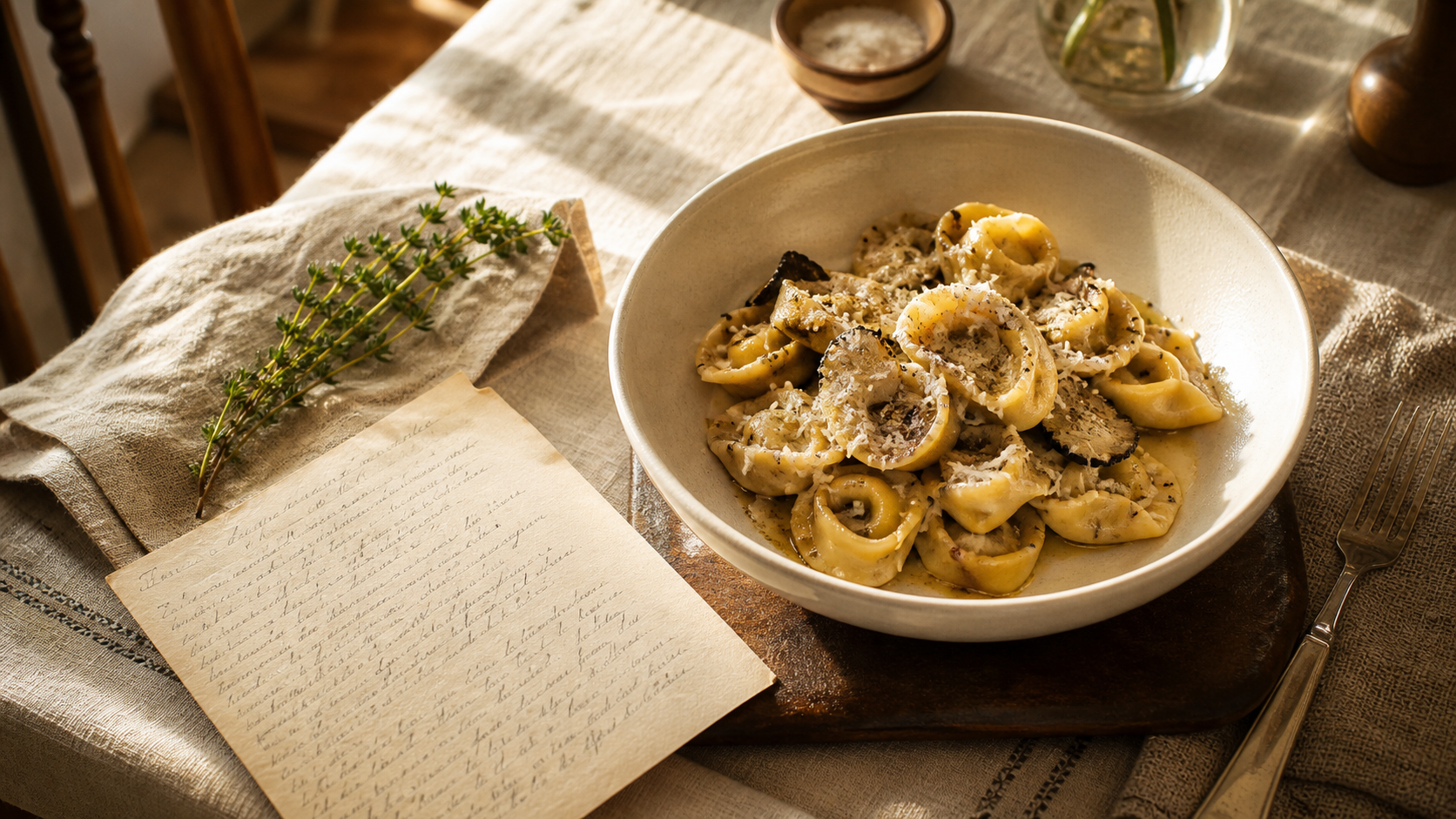
For Kitchen Legacies, that moment came during an ordinary family dinner centered on a Black Garlic Parmesan Tortellini recipe.
The dish became a favorite. The first reaction was not simply that the recipe should be saved, but that it should make it into MyChef.
The value was not only the recipe itself. It was why it succeeded, how it evolved, what was learned, who loved it, and why it became a favorite.
The mission changed
Recipes accumulate knowledge
Recipes change through experience. They carry evidence of what worked and what did not, and become connected to people, occasions, memories, substitutions, techniques, and family traditions.
MyChef could no longer be designed primarily to help people plan meals or find recipes. It needed to preserve culinary knowledge.
The project that began as MyChef was becoming Kitchen Legacies.
A lasting record
More than a place to store recipes
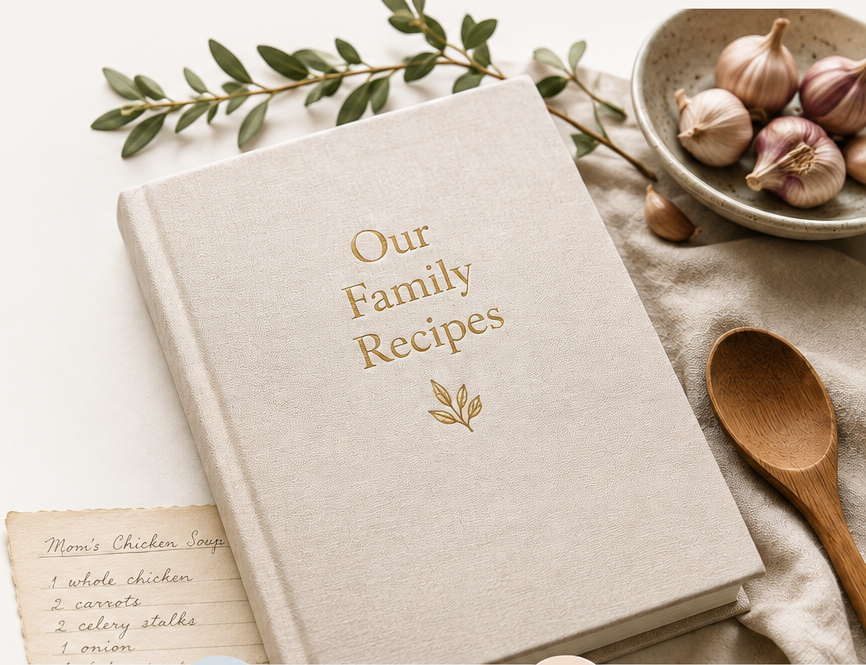
Kitchen Legacies is designed to preserve the recipe, the lessons gathered around it, and the story that gives it meaning.
That means keeping Culinary Evidence, Recipe Knowledge, Recipe Stories, Household Memory, Stewardship, Family Vaults, Legacy Policy, and Pass It On connected without losing the original recipe or the people behind it.
A family collection becomes more valuable when it explains not only what was cooked, but how it became part of the family.
One shared purpose
Two connected purposes
Kitchen Legacies brings together two sides of the same idea.
Preserve the past
Capture recipes, stories, people, traditions, provenance, photographs, techniques, family meaning, culinary evidence, and household memory.
- Recipes
- Stories
- People
- Traditions
- Provenance
- Culinary Evidence
- Household Memory
- Stewardship
Support the present
Help families continue using that knowledge through cooking, planning, kitchen organization, substitutions, shopping, meals, learning, and household understanding.
- Cooking
- Planning
- Shopping
- Meals
- Substitutions
- Kitchen assistance
- Learning
- Household understanding
A family legacy remains strongest when it is both protected and actively lived.
Family context
Built around people, not profiles
Kitchen Legacies is designed around the people who participate in a family's life, whether or not each person maintains an active account.
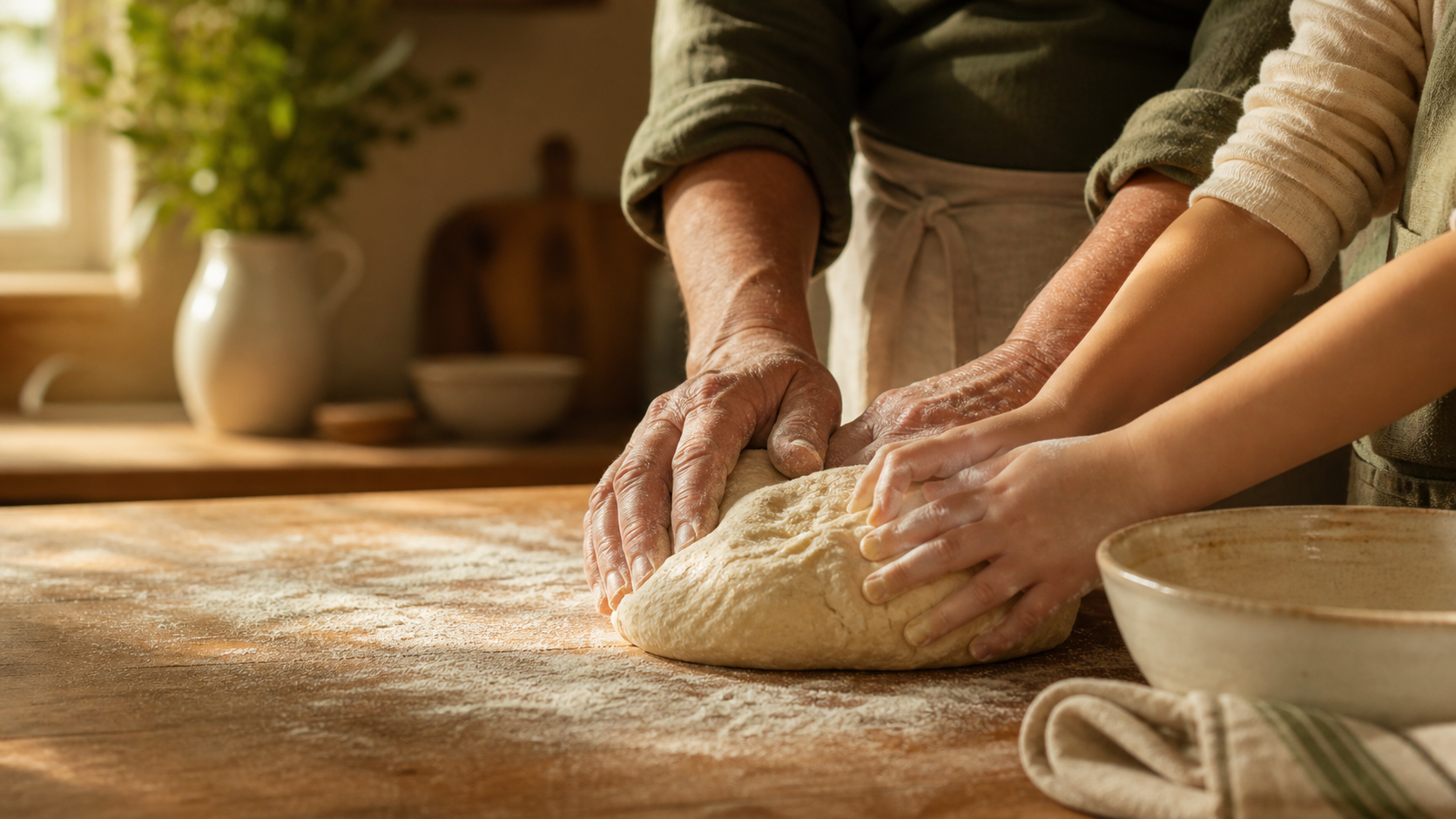
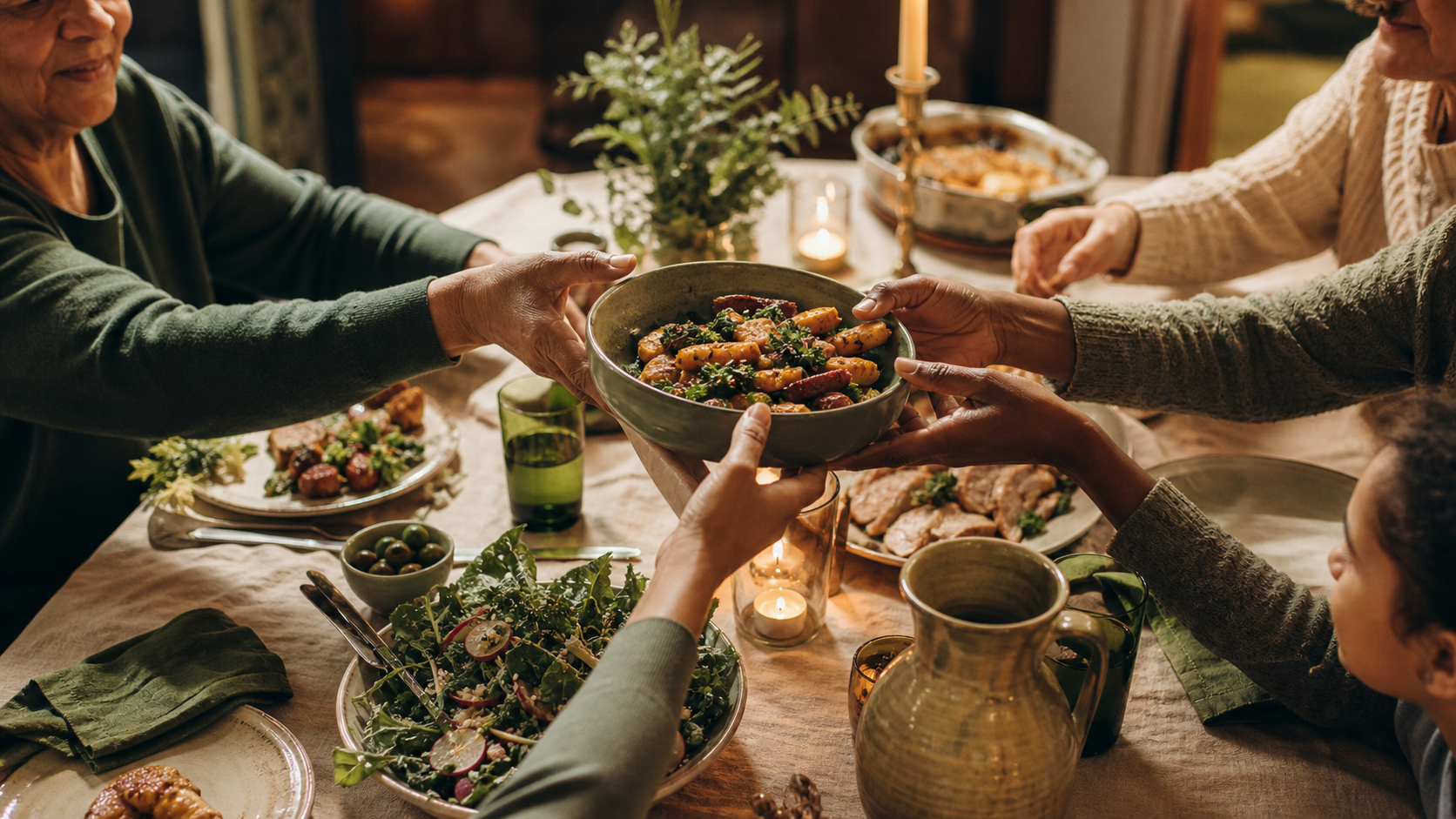
A parent may record what a child prefers. A grandparent may contribute a technique. A household member may participate in meals without becoming a platform user.
Family knowledge should remain connected to the people involved without turning Kitchen Legacies into a social network.
The purpose is to preserve relationships and context, not create followers, feeds, or public audiences.
Trusted access
Sharing should be intentional
Family history is personal.
Kitchen Legacies is being designed so that families decide what is shared, who receives it, and what each person is allowed to do.
Sharing should make it easier to send a recipe to a relative, invite someone to a meal, connect trusted family members, ask another person to help preserve a collection, and pass knowledge forward.
It should not turn private family material into public content.
Stewardship
Stewardship, not ownership
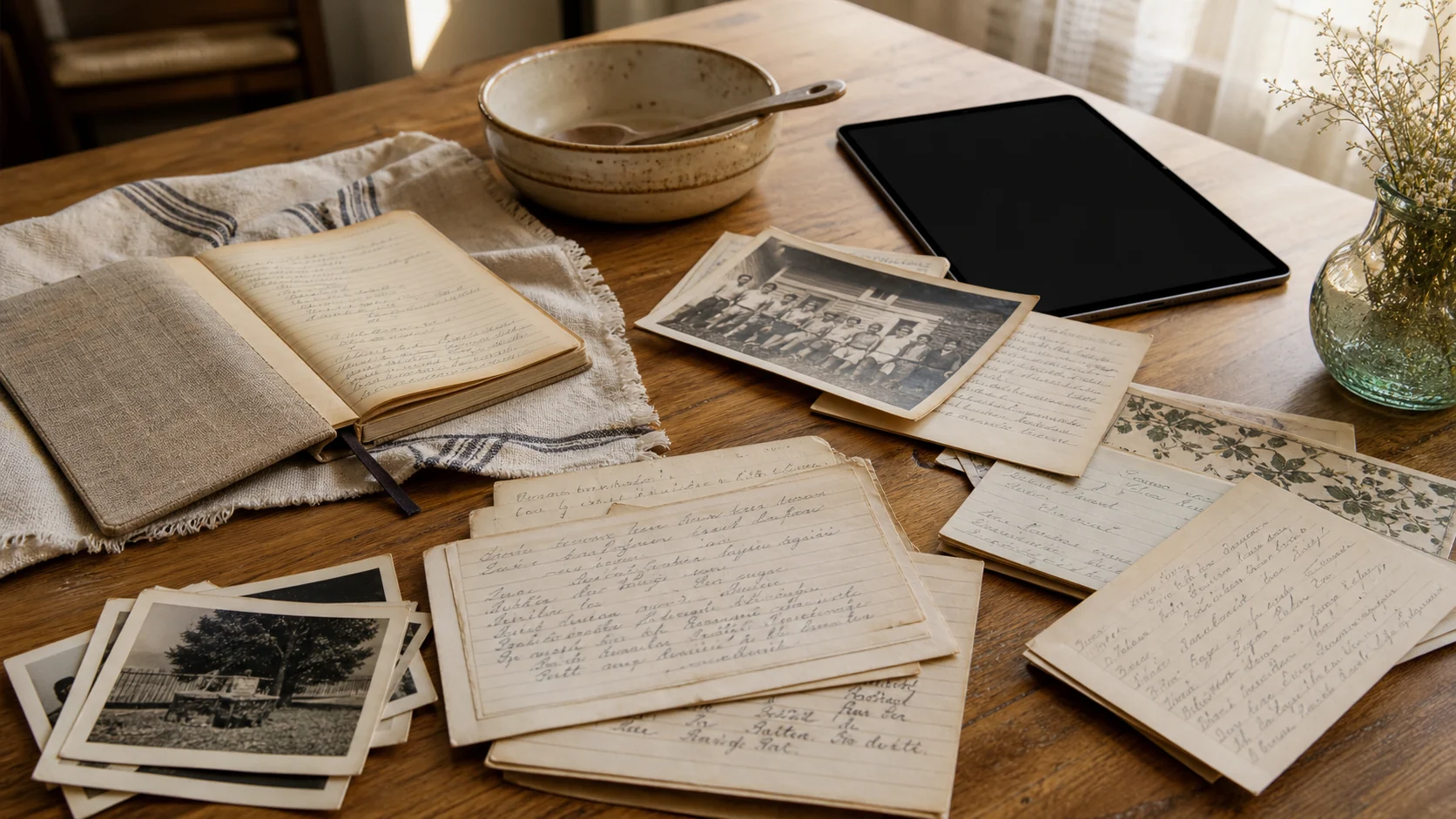
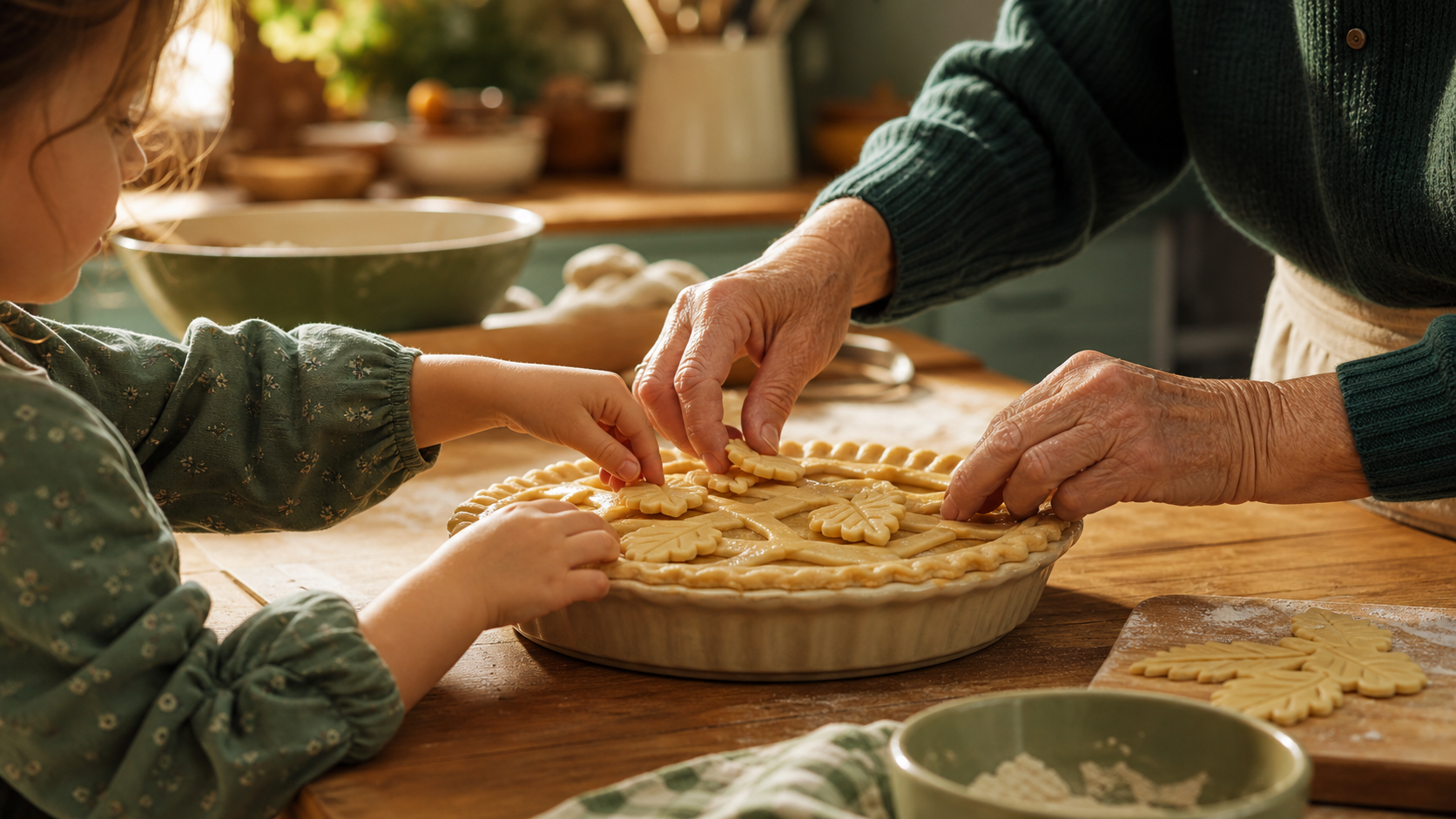
Family collections are often maintained by one person. When that person can no longer care for them, the knowledge may become inaccessible, fragmented, or lost entirely.
Kitchen Legacies is being designed around stewardship: the ability for trusted family members to help preserve a Family Vault and, when necessary, carry that responsibility forward through Pass It On and a clear Legacy Policy.
The long-term goal is not simply to maintain an account. It is to help a family preserve something that can outlast any one account holder.
Looking ahead
What Kitchen Legacies is becoming
Kitchen Legacies is growing into a private family knowledge system centered on the kitchen, but not limited to recipe storage.
It is a place to preserve:
- recipes and techniques;
- culinary evidence and what it has taught the household;
- family stories and memories;
- people and relationships;
- meals and occasions;
- regional and cultural traditions;
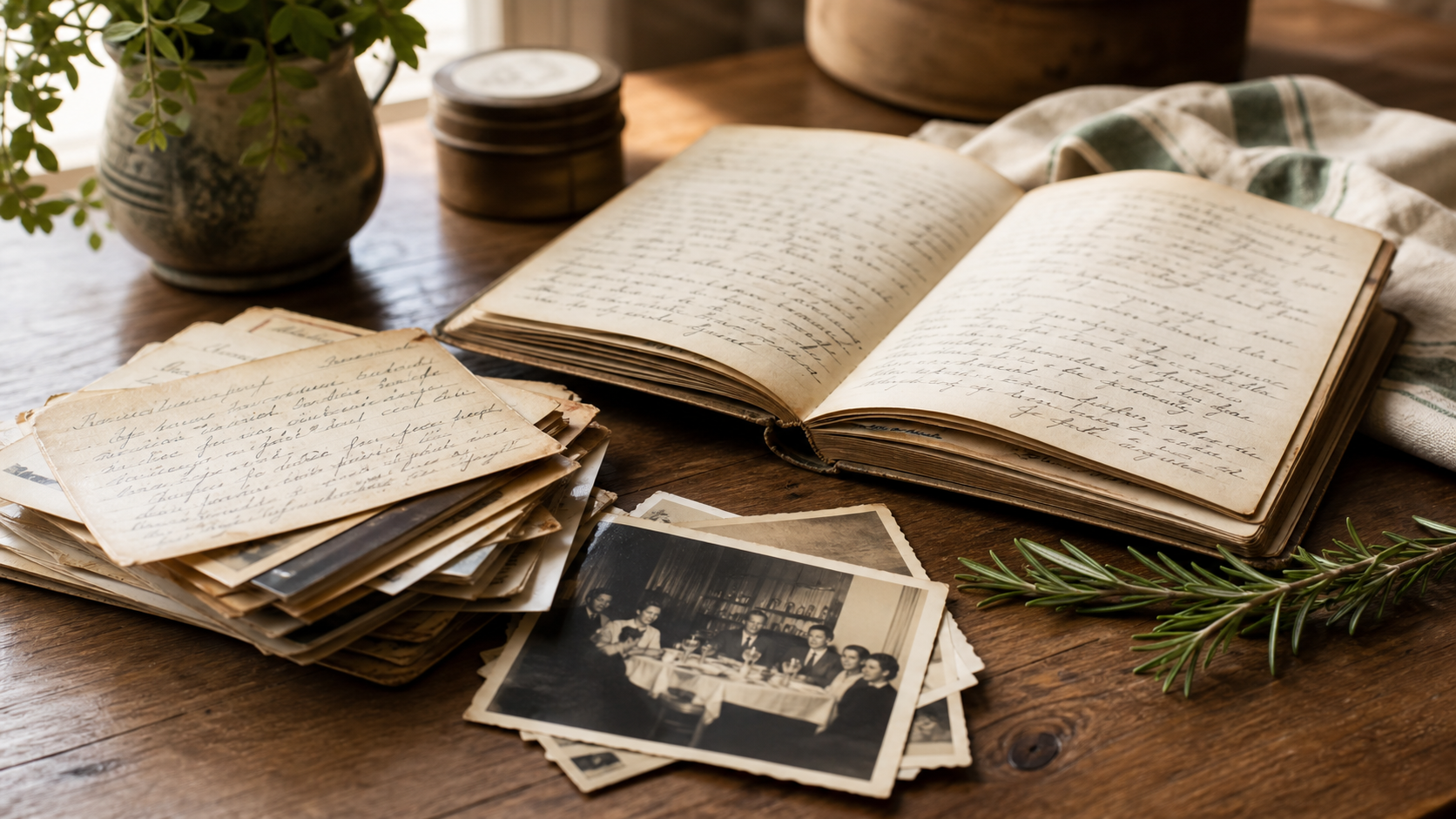
- photographs and handwritten records;
- provenance and adaptations;
- the knowledge used in everyday family life.
And it is a place to keep that knowledge active through cooking, planning, learning, sharing, and continued participation.
The future
The future we are building
One day, a family should be able to say, "It's where our family's cooking lives."
They should be able to inherit more than ingredient lists: the recipes, the evidence of what worked, the stories, the people, the traditions, the confidence, and the reasons each dish mattered.
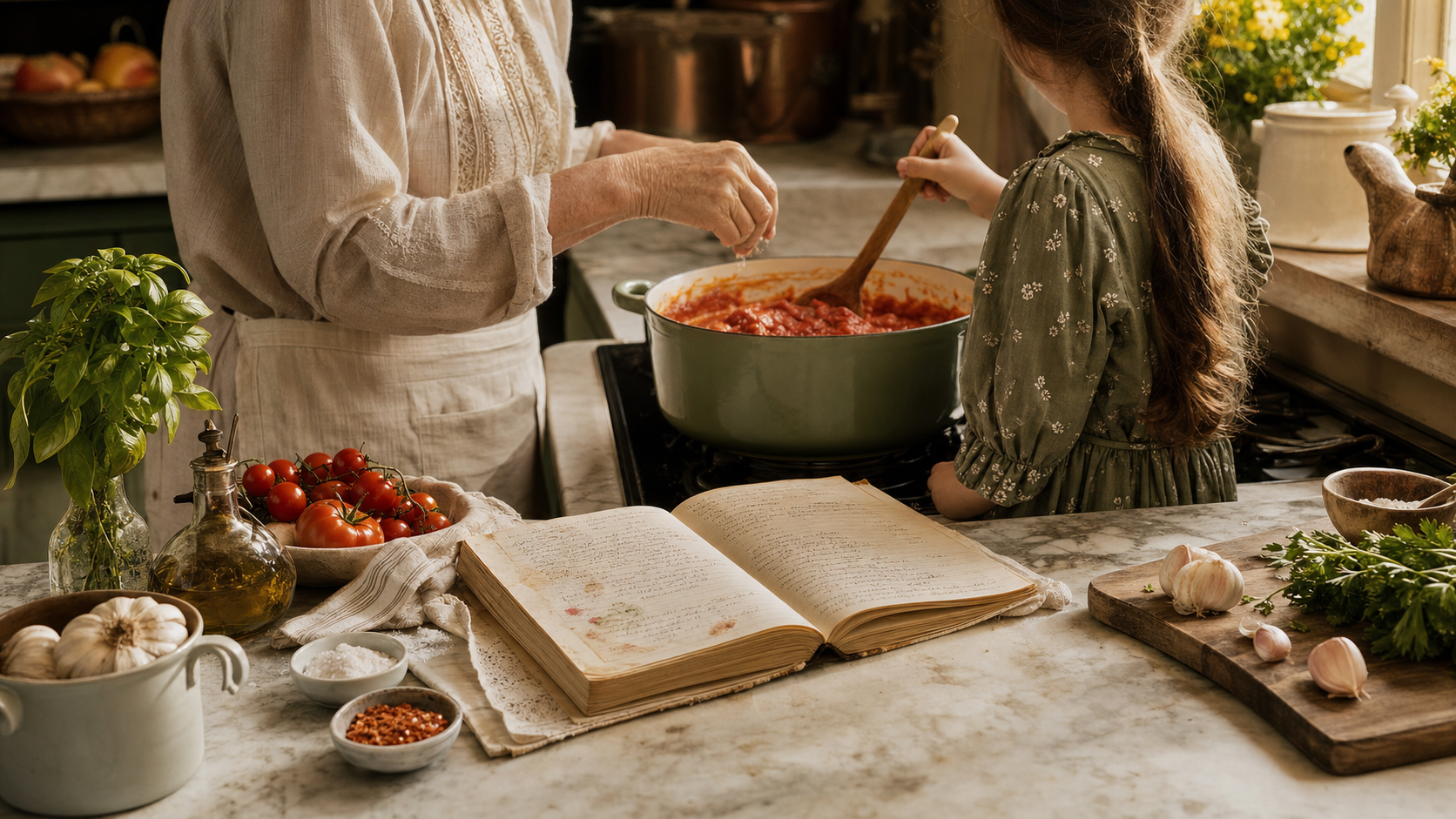
They should be able to open a recipe for tomato sauce and find their great-grandmother's words, the adjustments that made it work in a new kitchen, and the memories of everyone who gathered around it.
We are not building recipe software. We are building the future home of every family's culinary legacy.
The meaning
Why it matters
Family knowledge rarely disappears all at once.
It fades gradually.
A measurement is forgotten. A technique is never written down. A recipe card is misplaced. A story is remembered less clearly. A person who always knew the answer is no longer there to ask.
Kitchen Legacies exists because what families know should not disappear simply because there was never a good place to preserve it.
Every meal tells a story. Every story teaches something. Every lesson becomes part of a family's culinary legacy.
People forget. Kitchen Legacies remembers.
We are building that place.